

Park Smart. Reserve Today
- Cruise & Parking
- Cargo/Vessels
- Business
- Our Port
- News
- Contact
September 21, 2026
By Rodger Rees, Galveston Wharves Port Director and CEO -- When people think about the Port of Galveston, cruise ships are probably the first thing that come to mind. And for good reason. Galveston is one of the leading cruise ports in the world, and cruising is an important part of our regional economy.
We’ve been a cruise port for 27 years, but the cargo business has built our port and community while giving generations of Galvestonians good-paying jobs for more than 200 years.
Just as we’ve successfully marketed the port to attract the world’s major cruise lines, we’re also building strong relationships with global cargo businesses, such as Wallenius Wilhelmsen.
In November, Galveston cargo operations will be in the global spotlight at the World Ports Conference in London. As a speaker, I’ll have the opportunity to market Galveston to businesses and influencers from around the world.
We’re also looking forward to making new cargo contacts at the Breakbulk Americas conference in Houston Sept. 22-23. This international conference draws hundreds of exhibitors and thousands of maritime and cargo professionals from across North and South America.
Galveston continues to be a successful cargo port for several reasons. We have the infrastructure, the location and, perhaps most importantly, an experienced, generational maritime workforce. Some of our cargo workers represent the third and fourth generations of their families working on the waterfront.
What is Breakbulk?
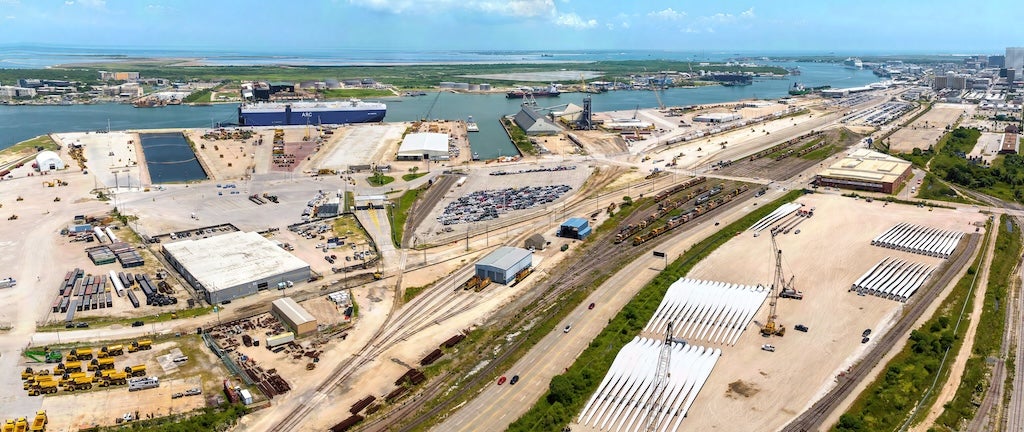
While cotton was king more than a century ago, today we’re a major Texas cargo port specializing in breakbulk cargo. Breakbulk is a class of cargo not transported in a standard shipping container. That includes roll-on/roll-off cargo, wind turbine pieces and other large or specialized cargo that requires different handling and transportation methods.
Breakbulk cargo is a hands-on business for skilled labor, so it creates significant employment opportunities. In 2025, our cargo operations generated 248,984 skilled labor hours, equivalent to about 120 full-time jobs. When combined with our cruise operations, the port generated a total of 584,425 labor hours.
Cargo also diversifies our business. We saw its value during the COVID-19 pandemic, when cruise operations were shut down for an extended period. Cargo and lay ship operations continued, helping us maintain our workforce without having to lay off Port of Galveston employees.
Investing in Our Cargo Future
We’re making major investments in cargo infrastructure to meet business sector demand. We recently completed a $106 million cargo expansion project, the first major investment of its kind at the port in decades. The project was funded with port operating revenues and a $36 million grant from the Texas Department of Transportation. It adds nearly 30 acres for cargo handling and a new berth capable of accommodating larger ships.
And we are not done.
Our long-term plans call for adding another 40 acres for cargo operations as we transition more cruise parking in surface lots to parking garages.
For 201 years, cargo has been part of Galveston's identity. As our port continues to grow, we are investing in that legacy — and building a stronger, more diversified future for the Port of Galveston and our community.