

Park Smart. Reserve Today
- Cruise & Parking
- Cargo/Vessels
- Business
- Our Port
- News
- Contact
November 3, 2026
By Rodger Rees, Galveston Wharves Port Director and CEO -- Galveston Harbor has risen in the rankings of top 40 U.S. cargo waterways and ports based on cargo tonnage. A total of 14.3 million tons of cargo moved across Galveston Wharves and privately owned docks in 2024, placing it 39th in U.S. rankings and 7th among Texas ports and waterways.
According to the recently released U.S. Army Corps of Engineers report, a 10.6 percent increase in cargo tonnage over 2023 boosted the harbor’s ranking one spot in the list of 150 ports and waterways compared to 2022 cargo numbers. The deepwater ship channel serves the Port of Galveston and private entities operating in the harbor.
In 2025, the port moved 2.9 million tons of cargo, including bulk liquid, bulk fertilizer and roll-on/roll-off (ro-ro) cargos, as well as wind turbine pieces and other project cargos. The balance of cargo tonnage, more than 11 million tons, moved across privately owned docks.
More Than Bragging Rights
This ranking gives us much more than bragging rights. A higher ranking makes the port more competitive when seeking federal funding for dredging projects to maintain harbor depths. It also emphasizes the port’s critical importance as a cargo port.
In 2025, the federal government funded almost $48 million to dredge federal portions of the harbor. The Galveston Wharves spent $2.3 million to maintain depths around its docks and slips in 2024.
Public and private cargo operations on Galveston Harbor have a huge economic impact in the region, generating an estimated $6.5 billion in total economic value and more than 19,000 jobs, according to the most recent economic data.
Cargo Expansion
Maintaining authorized harbor depths of up to 46 feet is critical as the port expands its cargo operations and as ships become larger. Not maintaining depths can restrict shipping activity from deep-draft ships.
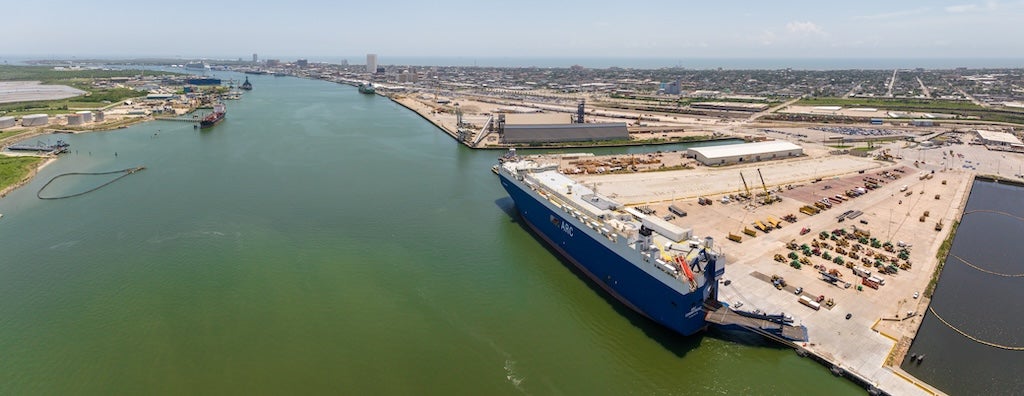
The Galveston Wharves recently invested $106 million to expand is West Port Cargo Complex to add almost 30 acres, build a new 1,410-foot-long berth and improve cargo laydown areas. When future phases are completed, the 90-acre cargo area will total almost 130 acres.
The port expanded its main cargo area by enclosing two outdated slips, filling one slip, repaving and repairing cargo handling areas, and demolishing a decommissioned grain elevator.
The two-year project is part of the port’s long-term investment in cargo to meet cargo industry demand and generate more jobs.
We also have big plans for Pelican Island. The port’s vision includes a new 4-lane roadway and rail line to facilitate industrial and cargo development on the port’s 357 acres on the island. In addition to shipbuilding, opportunities include LNG bunkering and a new cargo area.
A Long Cargo History
Our naturally formed harbor, running between Galveston and Pelican islands, has served the port for more than 200 years. Once a shallow harbor, the channel’s full potential was first unlocked in the 1890s with the first federal investment of $6.2 million for a major dredging project.
We’re grateful for the continued federal investment to maintain this vital economic engine called Galveston Harbor.